Introduction:
Egypt’s cultural heritage sites are among the world’s most iconic and historically significant landmarks. However, in today’s digital age, traditional methods of preservation and presentation are no longer sufficient to engage and educate modern visitors. This strategic proposal explores how the integration of technology, including augmented reality (AR), virtual reality (VR), and interactive apps, can revolutionize the visitor experience at Egypt’s cultural sites, fostering a deeper appreciation for the country’s rich history and heritage.
Utilizing Augmented Reality (AR):
Utilizing Augmented Reality (AR) to enhance visitor experiences at cultural heritage sites, particularly ancient monuments in Egypt, offers an innovative approach to engage with the country’s rich history and archaeological treasures. AR technology can provide immersive and interactive experiences that bring ancient sites to life, offering visitors a deeper understanding and appreciation of Egypt’s cultural heritage.
For example, at the Great Pyramid of Giza, AR apps could allow visitors to visualize how the pyramid looked during different periods of history, from its construction to the present day. Users could explore interactive 3D reconstructions of the pyramid’s interior chambers, including the King’s Chamber and Queen’s Chamber, gaining insights into the architectural features and historical significance of each space.
Similarly, at the Karnak Temple Complex in Luxor, AR technology could enable visitors to witness ancient rituals and ceremonies that once took place within the temple precincts. By overlaying digital reconstructions onto physical ruins, visitors could experience immersive recreations of religious processions, temple offerings, and other cultural practices, enhancing their understanding of ancient Egyptian religious beliefs and practices.
Furthermore, AR apps could be used at the Valley of the Kings to provide virtual tours of royal tombs, such as the tomb of Tutankhamun or Ramses VI. Visitors could use their smartphones or AR-enabled devices to explore detailed digital replicas of tomb interiors, including wall paintings, hieroglyphic inscriptions, and burial chambers, accompanied by informative audio guides or textual annotations.
By incorporating AR technology into the visitor experience at ancient monuments in Egypt, cultural heritage sites can become more accessible, engaging, and educational for tourists and locals alike. These innovative digital tools not only enhance the preservation and interpretation of Egypt’s archaeological treasures but also inspire a new generation of enthusiasts and scholars to explore the wonders of ancient Egypt.
Implementing Virtual Reality (VR):
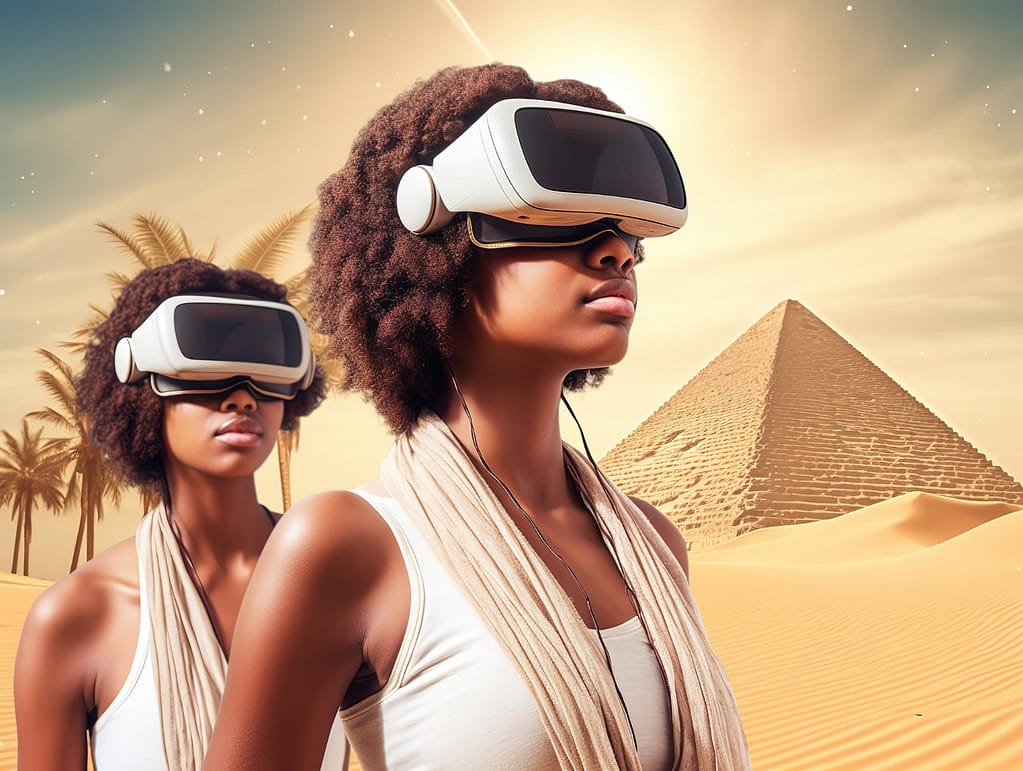
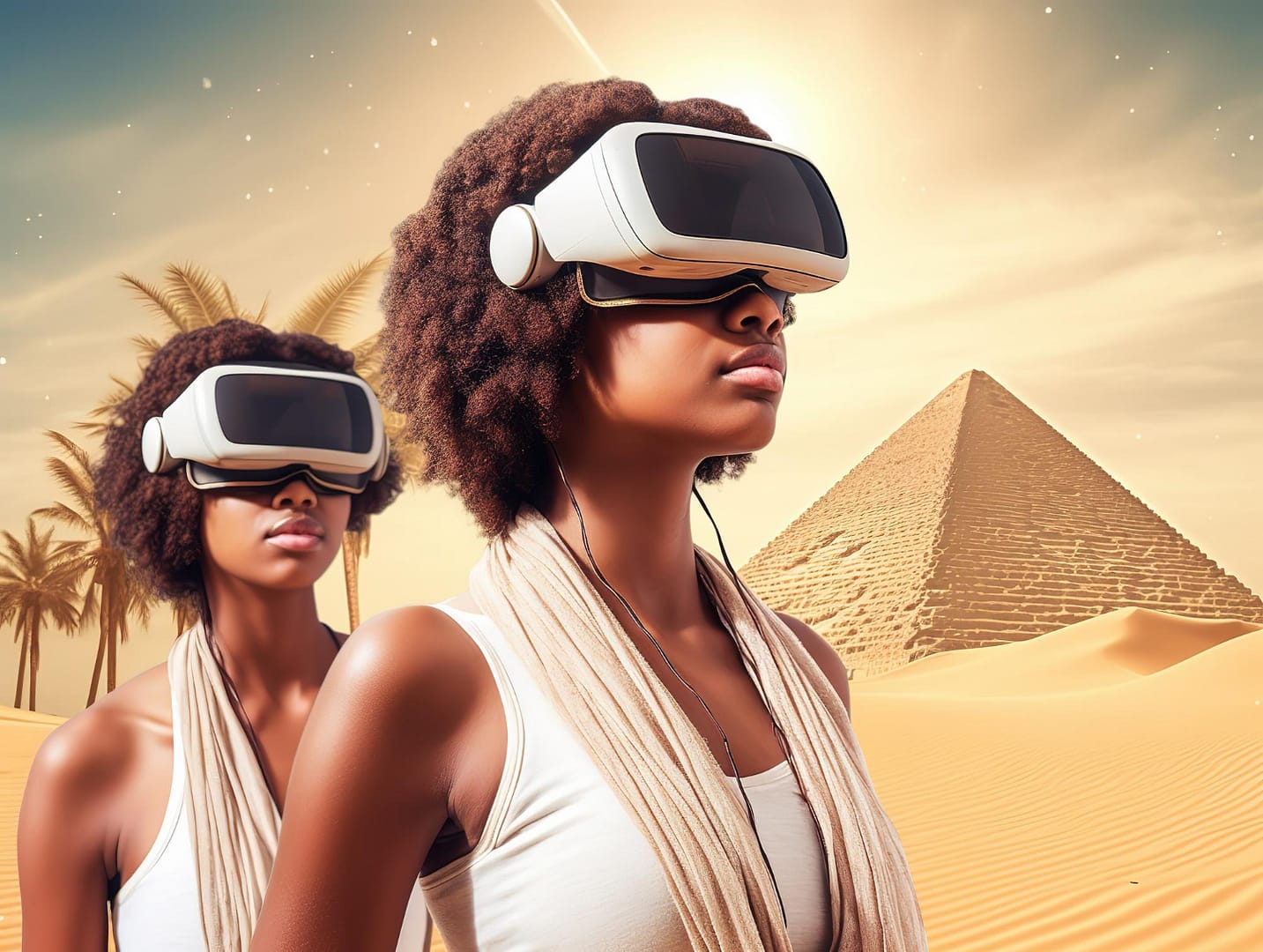
Implementing Virtual Reality (VR) technology at ancient monuments in Egypt, including the Great Egyptian Museum, offers a unique and immersive way for visitors to experience the country’s rich history and cultural heritage. By transporting users back in time, VR enables them to explore archaeological sites and civilizations in a fully immersive virtual environment, enhancing their understanding and appreciation of Egypt’s ancient past.
For example, at the Pyramids of Giza, VR experiences could allow visitors to virtually climb to the top of the Great Pyramid, offering panoramic views of the surrounding landscape and the nearby Sphinx. Users could also explore the interior chambers of the pyramid, including the King’s Chamber and Queen’s Chamber, experiencing the architectural marvels and intricate details of these ancient structures up close.
Similarly, VR technology could be utilized at Luxor’s temples, such as Karnak and Luxor Temple, to provide virtual tours of the monumental complex. Visitors could navigate through the temple precincts, marveling at the towering columns, colossal statues, and intricately carved reliefs that adorn the temple walls. VR simulations could also recreate ancient religious ceremonies and rituals, immersing visitors in the sights and sounds of ancient Egypt’s vibrant cultural life.
Furthermore, the Valley of the Kings could benefit from VR experiences that offer virtual explorations of royal tombs, such as those of Tutankhamun and Ramses VI. Users could venture inside the tombs, admiring the elaborate wall paintings, hieroglyphic inscriptions, and funerary artifacts that adorn the burial chambers. Through interactive VR simulations, visitors could gain insights into the religious beliefs, burial practices, and royal rituals of ancient Egypt.
In addition, the Great Egyptian Museum, set to be one of the world’s largest archaeological museums, could integrate VR technology into its exhibits to offer visitors immersive experiences with ancient artifacts and treasures. Virtual tours could transport visitors to the royal tombs of the pharaohs, allowing them to explore the treasures of Tutankhamun and other illustrious rulers in unprecedented detail. Interactive VR exhibits could also provide insights into the museum’s collection, highlighting the significance of each artifact and its role in Egypt’s cultural heritage.
By implementing Virtual Reality technology at ancient monuments in Egypt, including the Great Egyptian Museum, cultural heritage sites can offer visitors a truly transformative and educational experience. VR not only allows users to explore archaeological sites in unprecedented detail but also fosters a deeper connection to Egypt’s ancient civilization, inspiring curiosity, wonder, and appreciation for the country’s cultural legacy.
Developing Interactive Apps:
In 2024, several innovative mobile apps around the world are revolutionizing the way visitors interact with cultural sites. One notable example is the “Museum AR” app, which utilizes augmented reality (AR) technology to enhance the visitor experience at museums and archaeological sites. Users can download the app on their smartphones or tablets and use it to scan artifacts and exhibits, triggering interactive AR content such as 3D models, animations, and informational overlays.
Another innovative app is “Clio,” which offers curated audio tours of historical landmarks and cultural sites worldwide. Users can explore interactive maps and choose from a variety of themed tours, each featuring informative audio commentary, historical anecdotes, and archival photos. The app’s user-friendly interface and customizable features make it an invaluable tool for cultural enthusiasts and history buffs alike.
Furthermore, “Google Arts & Culture” is a comprehensive app that provides access to thousands of artworks, artifacts, and cultural heritage sites from around the globe. Through high-resolution images, virtual tours, and curated collections, users can explore iconic landmarks such as the Pyramids of Giza, the Great Sphinx, and the temples of Luxor. The app also offers immersive experiences such as “Pocket Gallery,” which uses augmented reality to transform any space into a virtual art gallery.
These examples demonstrate how interactive mobile apps leverage technology to engage and educate visitors about cultural heritage sites. By providing immersive experiences, informative content, and user-friendly interfaces, these apps empower users to explore the wonders of ancient civilizations and gain a deeper appreciation for cultural heritage.
Real-world Examples and Impact:
Several innovative projects have already demonstrated the potential of technology to enhance visitor experiences at Egypt’s cultural sites. For instance, the Giza Project at Harvard University has digitally reconstructed the Giza plateau, allowing users to explore the pyramids and surrounding monuments in unprecedented detail. Similarly, the “Eternal Egypt” app developed by the Egyptian Ministry of Tourism and Antiquities provides users with access to a vast digital archive of artifacts, monuments, and historical sites, offering a comprehensive overview of Egypt’s cultural heritage.
According to recent data from the Egyptian Ministry of Tourism and Antiquities, the integration of technology into visitor experiences has led to a significant increase in tourism revenue and cultural awareness. In 2024, digital initiatives at cultural sites across Egypt attracted over 5 million visitors, representing a 20% increase from the previous year. Furthermore, surveys indicate that visitors who engage with technology-enhanced experiences report higher levels of satisfaction and a deeper appreciation for Egypt’s cultural heritage.
Conclusion: In conclusion, the strategic integration of technology presents a transformative opportunity to enhance visitor experiences at Egypt’s cultural heritage sites. By leveraging augmented reality, virtual reality, and interactive apps, we can create immersive and engaging experiences that educate, inspire, and delight visitors from around the world. Through strategic partnerships, investment in digital infrastructure, and ongoing innovation, Egypt can position itself as a global leader in cultural tourism, while preserving and promoting its rich history and heritage for future generations.