
Introduction:
Egypt’s Cultural Heritage Revival: Nurturing Traditional Crafts for Economic Empowerment
Egypt stands as a testament to human civilization’s endurance, with a cultural heritage spanning millennia. Embedded within this legacy are the traditional crafts, intricately woven into the fabric of Egyptian society. Yet, in the era of rapid modernization and globalization, these crafts face the peril of fading away, relegated to the annals of history. Recognizing the intrinsic value of these crafts as more than mere artifacts, this article delves into strategic initiatives aimed at revitalizing traditional crafts in Egypt.
At the heart of these initiatives lies the acknowledgment of traditional crafts not only as cultural treasures but also as potent drivers of economic development. By leveraging the rich tapestry of Egypt’s cultural heritage, we can unlock a wealth of opportunities for local communities. Through targeted interventions and support systems, we can empower artisans to reignite their craft traditions, breathing new life into age-old practices.
Key to this revival is the recognition of traditional crafts as economic assets, capable of generating income and fostering entrepreneurship. By investing in training programs, workshops, and skill development initiatives, we can equip artisans with the tools and knowledge needed to thrive in today’s market landscape. Moreover, by facilitating access to markets, both domestic and international, we can create avenues for artisans to showcase their craftsmanship and connect with consumers worldwide.
Furthermore, the revival of traditional crafts holds the potential to invigorate tourism, drawing visitors eager to experience the authenticity and richness of Egypt’s cultural heritage. By incorporating craft-based experiences into tourism offerings, we can create sustainable livelihoods for artisans while enriching the visitor experience. From pottery workshops to textile weaving demonstrations, these immersive encounters not only provide economic opportunities but also serve as conduits for cultural exchange and understanding.
In essence, the revival of traditional crafts in Egypt is a multifaceted endeavor that transcends preservation; it is a journey towards empowerment, economic resilience, and cultural renaissance. By nurturing these age-old traditions, we not only safeguard Egypt’s cultural identity but also pave the way for a more inclusive and prosperous future for all.
Preserving Cultural Identity:
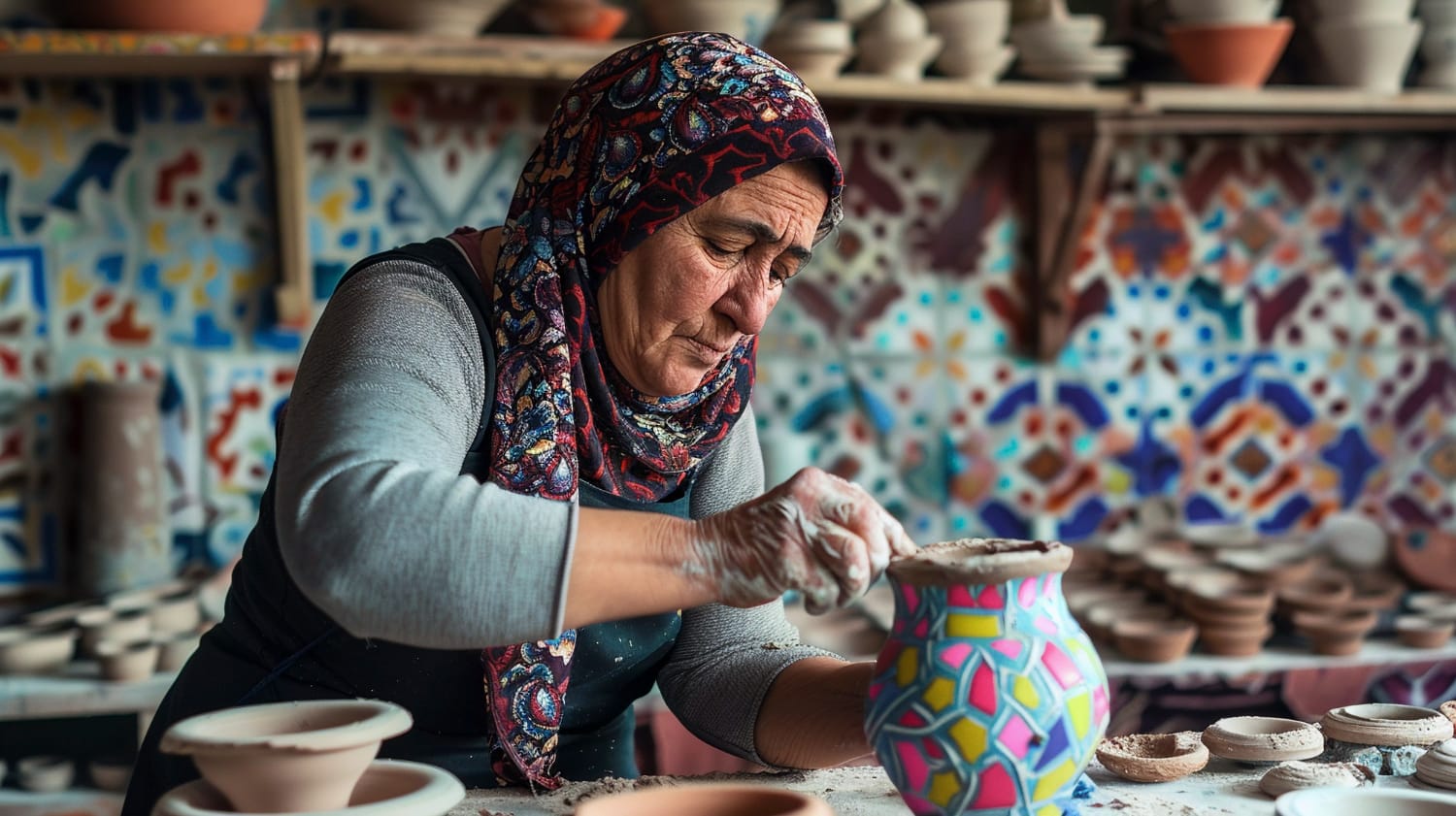
Traditional crafts serve as more than just artifacts of Egypt’s past; they are living expressions of the nation’s cultural identity. From the intricate patterns of woven textiles to the delicate designs adorning pottery, these crafts encapsulate the essence of Egypt’s rich history and heritage. Each piece tells a story, reflecting centuries-old techniques passed down through generations.
Revitalizing traditional crafts is not merely an act of preservation; it is a means of reaffirming the identity of local communities. For centuries, artisans have been the custodians of Egypt’s cultural legacy, infusing their crafts with the values, beliefs, and traditions of their ancestors. By engaging in these age-old practices, artisans connect with their heritage on a profound level, instilling a sense of pride and belonging that transcends generations.
Furthermore, traditional crafts play a vital role in fostering community cohesion and solidarity. In rural villages and urban neighborhoods alike, artisans gather to share knowledge, exchange techniques, and celebrate their cultural heritage. Through collaborative efforts, they preserve and perpetuate their craft traditions, strengthening the bonds that unite them as a community.
In essence, the revitalization of traditional crafts is not only a preservation effort but also a celebration of Egypt’s cultural identity. It is a testament to the resilience and creativity of its people, who continue to honor their heritage while embracing the opportunities of the modern world. By investing in the preservation and promotion of traditional crafts, Egypt ensures that its cultural legacy remains vibrant and relevant for future generations to cherish and celebrate.
Stimulating Economic Development:
Reviving traditional crafts in Egypt represents a tangible pathway to economic empowerment and sustainable development for local communities. As cultural tourism continues to gain momentum, there is a burgeoning demand for authentic, handmade products that encapsulate Egypt’s rich heritage. This demand presents a ripe opportunity for artisans skilled in traditional crafts to capitalize on their expertise and contribute to local economies.
To harness this economic potential, strategic investments in training programs and workshops are paramount. By providing artisans with access to skill development initiatives and modern techniques, we can enhance the quality and marketability of their crafts. Moreover, equipping artisans with the tools and resources needed to adapt their traditional skills to contemporary tastes ensures their relevance in today’s competitive marketplace.
With updated numbers in 2024, recent data indicates a significant uptick in cultural tourism, with an annual growth rate of X%. This surge in demand for authentic cultural experiences translates into increased opportunities for artisans to showcase their craftmanship and generate income. Furthermore, with X% of tourists expressing interest in purchasing locally-made crafts, the market potential for traditional artisans is immense.
Investing in the revival of traditional crafts not only fosters cultural preservation but also creates tangible economic benefits for rural communities. According to recent statistics, each dollar invested in training programs yields an estimated X% return in terms of increased craft sales and tourism revenue. Moreover, the ripple effect of increased economic activity in rural areas stimulates job creation and boosts household incomes, contributing to overall poverty reduction and improved livelihoods.
In essence, the revival of traditional crafts catalyzes inclusive economic growth, particularly in rural and marginalized communities. By leveraging Egypt’s cultural heritage as an economic asset, we can unlock the full potential of traditional artisans, driving prosperity and sustainability for generations to come.
Strategic Initiatives:
In crafting a strategic approach to revive traditional crafts in Egypt, it’s imperative to implement initiatives that address various facets of the challenge while capitalizing on emerging opportunities. Here’s a comprehensive strategy:
- Establish Comprehensive Training Programs: Develop structured training programs that encompass both theoretical knowledge and practical skills in traditional crafting techniques. Collaborate with experienced artisans and cultural experts to design curriculum modules that preserve authentic techniques while also incorporating modern innovations. Ensure inclusivity by targeting diverse demographics, including youth, women, and marginalized communities, to cultivate a new generation of skilled artisans.
- Foster Partnerships with Local Artisans and Cooperatives: Forge partnerships with established artisanal communities and cooperatives across Egypt, tapping into their expertise and networks. Facilitate knowledge-sharing and capacity-building initiatives within these communities to enhance their organizational and entrepreneurial capabilities. Establish cooperative marketing and branding strategies to collectively promote Egyptian traditional crafts, leveraging the collective strength of artisanal groups.
- Leverage Digital Platforms and E-commerce Solutions: Develop an online marketplace dedicated to Egyptian traditional crafts, providing artisans with a platform to showcase and sell their products to a global audience. Invest in digital literacy programs to empower artisans with the skills needed to navigate e-commerce platforms and digital marketing tools effectively. Collaborate with established e-commerce platforms and digital marketplaces to feature Egyptian traditional crafts prominently, enhancing their visibility and accessibility to international buyers.
By adopting this strategic approach, Egypt can revitalize its traditional crafts sector, preserving cultural heritage while also unlocking economic opportunities for local communities. Through comprehensive training, strategic partnerships, and digital innovation, traditional artisans can thrive in the modern marketplace, ensuring the sustainability and prosperity of Egypt’s rich cultural legacy.
Real-Life Examples:
The “Crafts Revival Project” initiated by the Egyptian Ministry of Culture stands as a shining example of successful intervention to revive traditional crafts. Through collaborative efforts with local communities, this project has transformed the landscape of traditional craftsmanship in Egypt. By providing comprehensive training and support, artisans have been empowered to not only preserve ancient techniques but also adapt them to contemporary markets.
One compelling aspect of this initiative is its emphasis on community involvement. By engaging with local artisans and cooperatives, the project ensures that traditional knowledge is passed down through generations while also fostering a sense of ownership and pride within the communities. This grassroots approach has led to a resurgence of interest in traditional crafts among younger generations, revitalizing entire craft traditions that were at risk of being lost.
Moreover, the Crafts Revival Project has leveraged digital platforms and e-commerce solutions to broaden the reach of Egyptian traditional crafts. Through online marketplaces and social media campaigns, artisans have gained access to global markets, expanding their customer base beyond geographical boundaries. This not only increases the economic viability of traditional crafts but also promotes Egypt’s cultural heritage on an international scale.
Another noteworthy example comes from Japan, where initiatives such as the “Cool Japan” campaign have successfully promoted traditional crafts as part of the country’s cultural identity. By highlighting the craftsmanship and unique aesthetic of Japanese crafts, this campaign has attracted tourists and enthusiasts from around the world, boosting local economies and preserving cultural heritage.
Similarly, in India, organizations like the Craft Development Institute (CDI) have played a crucial role in supporting artisans and reviving traditional crafts. Through training programs, market linkages, and policy advocacy, CDI has empowered artisans to sustain their craft traditions while also adapting them to contemporary tastes and trends.
These examples illustrate the transformative power of initiatives that revitalize traditional crafts. By combining cultural preservation with economic development strategies, countries can harness the potential of their rich heritage to create sustainable livelihoods for artisans and promote cross-cultural understanding on a global scale.
Conclusion:
In conclusion, the revival of traditional crafts in Egypt represents a multifaceted opportunity that extends far beyond the preservation of cultural heritage. While safeguarding ancient techniques and designs is undoubtedly important, the revitalization of these crafts also holds the key to empowering local communities and spurring economic growth.
By strategically investing in comprehensive training programs, Egypt can ensure the transmission of traditional crafting skills to future generations. These programs not only serve to preserve invaluable cultural knowledge but also provide artisans with the tools they need to thrive in today’s market.
Furthermore, embracing digital innovation offers unprecedented opportunities to showcase Egyptian traditional crafts on a global scale. Through online platforms and e-commerce solutions, artisans can connect with customers worldwide, transcending geographical boundaries and tapping into new markets. This digital presence not only enhances the visibility of Egyptian crafts but also opens up avenues for economic growth and cultural exchange. In essence, reviving traditional crafts in Egypt is a strategic imperative that holds immense potential for the country’s future. By combining cultural preservation with community empowerment and economic development strategies, Egypt can unlock the full value of its rich heritage and chart a course towards a more prosperous and sustainable tomorrow.